

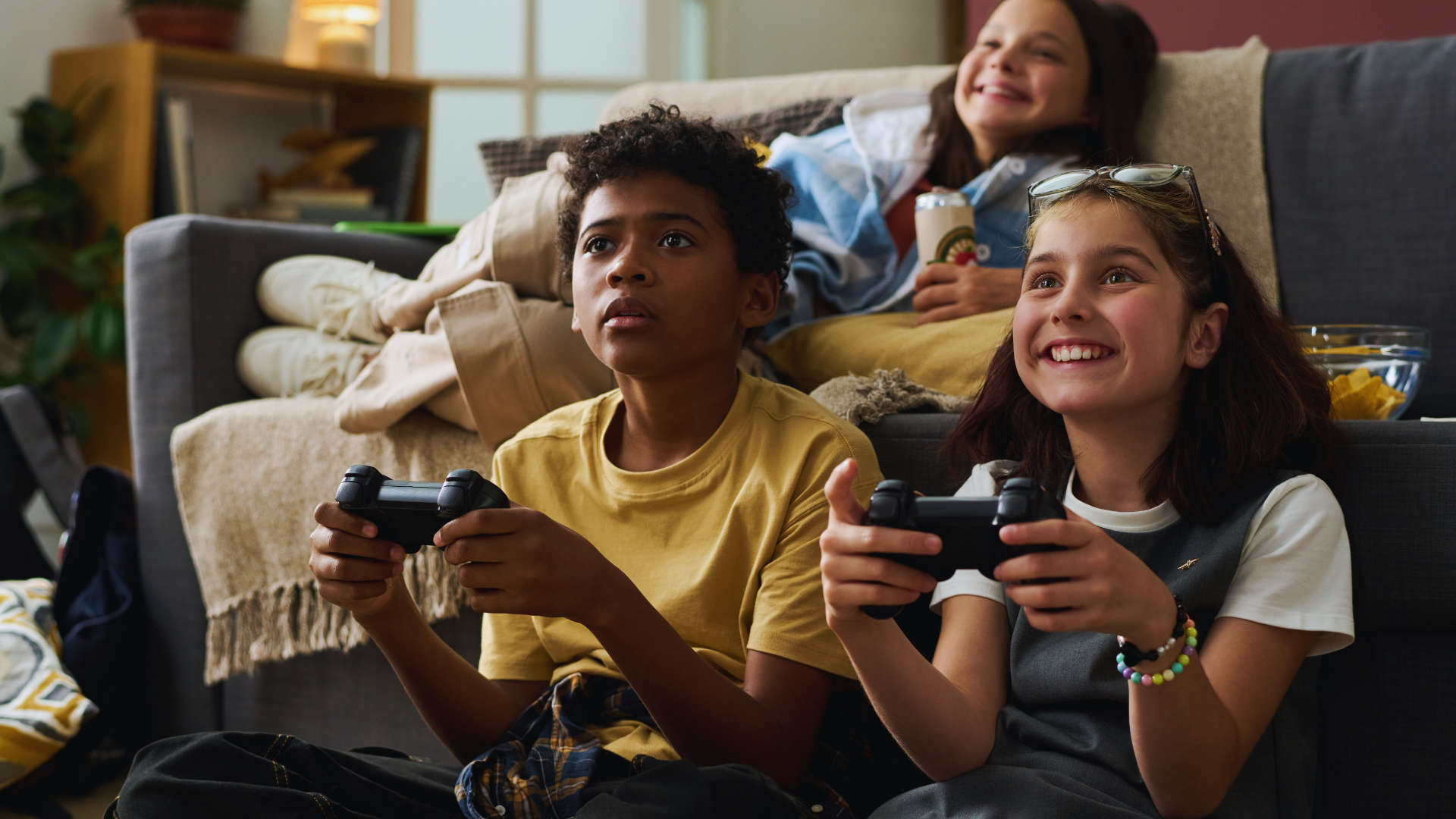
Co-op games bring people together by combining teamwork and fun. Whether you want to team up with friends or family, playing cooperative games offers shared challenges and experiences.
The best co-op games to play together focus on collaboration, engaging gameplay, and accessible mechanics that suit different skill levels. From strategic planning to action-packed adventures, these games make it easier to connect and enjoy time spent gaming.
This list covers a variety of genres and platforms, ensuring you find something that fits your group’s preferences. These games are proven to foster communication and create memorable moments, making them ideal for playing together.
Top-Rated Co-Op Games to Play Together
Co-op games offer a range of experiences, from tested favorites to innovative new titles. The selection below highlights games known for strong teamwork mechanics, engaging gameplay, and community praise.
Timeless Classics
Left 4 Dead 2 remains a staple for cooperative play, combining fast-paced zombie survival with strategic teamwork. Its AI Director adjusts difficulty on the fly, keeping sessions fresh even after many hours.
Borderlands 2 blends first-person shooting with RPG elements and humor. Players coordinate roles, sharing loot and tactics while exploring vast, colorful worlds filled with diverse enemies.
Overcooked! 2 challenges players to manage chaotic kitchens under time pressure. Its simple controls and escalating difficulty foster communication and coordination, making it accessible yet engaging.
Award-Winning Recent Releases
It Takes Two won acclaim for its inventive mechanics revolving around a couple navigating imaginative environments. Every level demands different cooperative skills, from platforming to puzzle solving.
Deep Rock Galactic offers cooperative mining missions in hostile caves with procedurally generated layouts. Team roles like engineer, driller, and scout are essential for survival and success.
Back 4 Blood builds on the Left 4 Dead legacy with modern graphics and new enemy types. The card system allows players to customize their decks for varied gameplay styles and team strategies.
Underrated Hidden Gems
A Way Out uniquely requires split-screen or online co-op to progress. Its storytelling-driven adventure centers on two prisoners escaping together, with puzzles and action sequences requiring tight cooperation.
Lovers in a Dangerous Spacetime mixes twin-stick shooting with a vibrant space setting. Players control different ship systems together, emphasizing communication to handle navigation and combat.
Risk of Rain 2 is a roguelike shooter where team survival depends on efficient resource management and synergy between characters. Its scaling difficulty rewards both skill and coordination over multiple runs.
Best Co-Op Games by Platform
Co-op games vary widely across platforms, each offering unique titles tailored to the strengths of their hardware and player communities. From immersive PC strategy games to accessible mobile options, players have choices that cater to different playstyles and technical setups.
PC Co-Op Game Highlights
PC offers some of the most expansive co-op experiences with a focus on strategy, RPGs, and shooters. Titles like Divinity: Original Sin 2 provide deep role-playing elements and tactical combat for up to four players. Meanwhile, Left 4 Dead 2 remains a popular cooperative shooter with intense team-based gameplay.
Many PC co-op games support crossplay and modding, increasing replay value. Games like Portal 2 bring classic puzzle-solving that requires real teamwork. The platform also excels in MMOs such as World of Warcraft, where large groups coordinate for raids and quests.
Console Co-Op Experiences
Consoles like PlayStation and Xbox focus heavily on local and online co-op. Games such as It Takes Two shine with innovative cooperative mechanics designed specifically for two players. Halo Infinite continues the franchise’s tradition of strong multiplayer campaigns.
Split-screen and shared-screen options are common in console games, fostering couch co-op play. Series like Minecraft and Overcooked! Bring casual but highly engaging co-op fun suitable for all ages. Consoles also support popular sports and racing games, enhancing the social experience.
Games for Mobile Devices
Mobile co-op games emphasize accessibility and shorter session lengths. Titles like Among Us thrive on social interaction with simple mechanics and cross-platform support. Strategy games such as Clash Royale offer real-time cooperative clans and team battles.
Many mobile games integrate chat features and asynchronous play to accommodate on-the-go gaming. Co-op puzzle games like Lara Croft: Relic Run offer easy controls suited for touchscreens. Mobile games prioritize quick matchmaking with worldwide user bases.
Multiplayer Modes in Cooperative Games
Cooperative games often offer distinct multiplayer modes designed to suit different player preferences and setups. These modes impact how players communicate, strategize, and experience the game together.
Online Co-Op Gameplay
Online co-op enables players to connect and play from different locations. This mode relies on stable internet connections and often includes matchmaking systems or friend invites.
Players share objectives, coordinate actions via voice or text chat, and can join ongoing matches. Popular features include cross-platform play and dedicated servers to reduce lag. Security and moderation tools ensure a safer environment.
Games like Destiny 2 or Left 4 Dead 2 emphasize online co-op, allowing 4+ players to team up seamlessly. The convenience of remote play broadens opportunities but depends heavily on connectivity quality.
Local Co-Op Features
Local co-op involves players sharing a single device or console, playing side-by-side. This mode supports split-screen, shared screen, or hotseat gameplay.
It encourages real-time, face-to-face interaction without internet dependency. Titles like Overcooked or Cuphead shine here, using local co-op to enhance quick coordination and teamwork.
Controllers or input systems are often optimized for multiple players, and gameplay mechanics may adapt to shorter sessions or casual play. Local co-op remains popular for its immediacy and social atmosphere.
Co-Op Games for Different Group Sizes
Co-op games vary depending on the number of players, affecting gameplay style and strategy. Whether pairing up or forming a squad of four, the choice of game should suit the group size to maximize fun and cooperation.
Two-Player Adventures
Two-player games often focus on tight coordination and communication. Titles like It Takes Two and A Way Out require players to work closely through puzzles and story-driven challenges. These games shine by emphasizing teamwork in confined settings, where each player’s role is clear and essential.
Players must share responsibilities and adapt to each other’s actions. The smaller group size allows for deeper narrative immersion and personal interaction. Games designed for two players tend to balance difficulty to keep both engaged without overwhelming one with too many tasks.
Four-Player Teams
Four-player co-op games support larger, more complex strategies. Popular options like Left 4 Dead 2 and Overcooked emphasize team roles and coordination on a broader scale.
These games often distribute specialized tasks among players, requiring communication to synchronize actions and manage resources effectively. The increased number creates dynamics where players can cover weaknesses and plan tactics together. Such titles typically include competitive elements within cooperative play, adding layers of challenge and replayability.
Genre-Specific Co-Op Experiences
Co-op games vary widely depending on genre, with each offering distinct challenges and team dynamics. Action-oriented games emphasize fast-paced combat and exploration, while strategy and puzzle games require communication and thoughtful planning.
Action and Adventure Co-Op Titles
Action and adventure co-op games focus on teamwork through intense combat, exploration, and story progression. Titles like Ghost Recon Wildlands and Borderlands 3 demand players coordinate attacks and manage resources in dynamic environments. These games often combine skill-based mechanics with narrative elements that benefit from shared decision-making.
Players need clear roles, such as damage dealers, support, or scouts, to optimize performance. The blend of real-time action and cooperative tactics creates a compelling experience, rewarding communication, and quick thinking. Progression systems typically align with group objectives, encouraging players to stay engaged and collaborate continuously.
Strategy and Puzzle-Based Games
Strategy and puzzle co-op games prioritize communication and problem-solving over reflexes. Games like Overcooked and Divinity: Original Sin 2 require players to synchronize actions and plan moves ahead of time.
These experiences demand careful resource management, strategic risk-taking, and task delegation. Success in this genre depends heavily on each player understanding their role and adapting to evolving scenarios. The slower, methodical pace contrasts with action games but often leads to deep satisfaction when a complex challenge is overcome as a team.
| Key Elements | Action/Adventure | Strategy/Puzzle |
| Focus | Combat, exploration | Planning, coordination |
| Player Roles | Combat roles, support | Task delegation, timing |
| Pace | Fast, dynamic | Methodical, deliberate |
| Required Skills | Reflexes, communication | Problem-solving, teamwork |
Tips for Enjoying Co-Op Gaming Sessions
Selecting a game that suits everyone’s skill level and interests sets the foundation for an engaging session. Clear and consistent communication enhances teamwork and helps avoid confusion during gameplay.
Choosing the Right Game
Pick a co-op game that matches the experience levels of all players involved. Games with scalable difficulty or adjustable settings allow everyone to contribute without frustration.
Consider the game’s genre and pace. Action-packed shooters may appeal to some, while turn-based strategy or puzzle games might be better for players who prefer thoughtful gameplay.
Look for titles that support the number of players in your group and offer balanced roles. Games with distinct character abilities encourage collaboration and ensure no one feels sidelined.
Effective Communication Strategies
Use voice chat or reliable text communication tools to maintain a steady flow of information. Call out enemy positions, share resources, and coordinate actions promptly.
Agree on simple terms or signals for common in-game actions, like “cover me” or “push forward,” to reduce misunderstandings.
Listening actively and staying patient is key, especially in tense moments. Avoid talking over each other to keep conversations clear and efficient during gameplay.
Upcoming Cooperative Game Releases
Several new cooperative games are set to launch in the coming months, offering fresh experiences for players who enjoy teamwork. These titles cover a variety of genres from action to strategy, suited for different play styles and group sizes.
Among the most anticipated is “Echoes of the Rift,” an action RPG releasing in Q2 2026. It focuses on team-based combat and exploration in a dynamic, ever-changing world. Players will coordinate abilities and tactics to overcome challenging enemies.
Another notable release is “Harborfront Havoc,” a cooperative city-building and defense game expected in late 2026. It supports up to four players working together to manage resources and protect their settlement from environmental threats.
| Game Title | Genre | Max Players | Release Date |
| Echoes of the Rift | Action RPG | 4 | Q2 2026 |
| Harborfront Havoc | City-building | 4 | Late 2026 |
| Neon Circuit Escape | Puzzle/Platform | 2 | Mid 2026 |
Neon Circuit Escape is a smaller-scale title launching mid-year. It emphasizes precision and timing, requiring close coordination between two players navigating complex levels.
These upcoming co-op games expand opportunities for collaborative play across various platforms. They reflect clear design trends toward deeper cooperation and shared challenges.
Key Features to Look for in Co-Op Games
Successful co-op games rely on strong teamwork mechanics. Look for titles that encourage players to work together rather than compete, with complementary roles or shared objectives.
Communication tools play a crucial role. Games offering voice chat, ping systems, or easy messaging options make coordination smoother and more effective.
Varied difficulty levels or adaptive challenges ensure the game remains engaging for different skill levels. This flexibility keeps all players invested, regardless of experience.
Check if the game supports drop-in/drop-out functionality. This allows players to join or leave a session without disrupting the flow, which is important for casual gaming.
Consider the game length and pacing. Short missions or matches can prevent fatigue in longer sessions, while longer campaigns offer deeper immersion.
| Feature | Why it Matters |
| Teamwork Mechanics | Encourages coordination and strategy |
| Communication Tools | Facilitates easier player interaction |
| Difficulty Options | Balances challenge for all players |
| Drop-in/Drop-out | Adds convenience and flexibility |
| Game Pacing | Maintains engagement over time |
Games that combine these elements tend to provide a smoother, more enjoyable co-op experience for friends or casual players.