

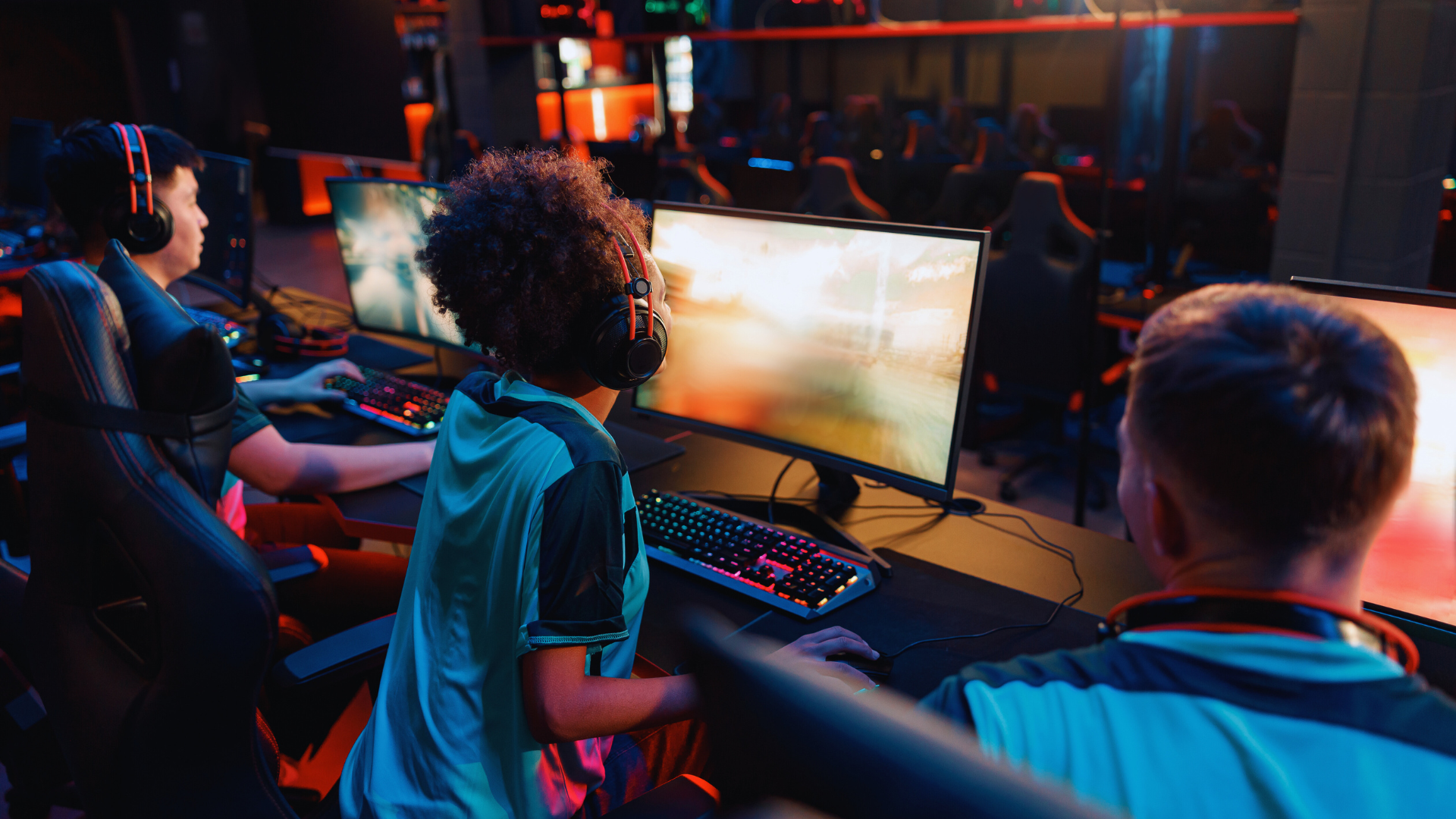
Improving your gaming skills quickly requires focused practice and understanding the core mechanics of your chosen game. The fastest way to get better is to analyze your gameplay, identify weak points, and practice deliberately on those areas.
Consistency plays a major role in skill improvement, but so does learning from others. Watching tutorials, studying top players, and joining communities can accelerate your progress by exposing you to new strategies and insights.
Balancing practice with proper rest and reflection prevents burnout and helps you retain what you learn. This approach ensures steady improvement without sacrificing enjoyment.
Master the Fundamentals
Building a strong foundation involves learning key elements such as how games work, sharpening your response speed, and enhancing coordination between your eyes and hands. These elements together create the base for faster improvement.
Understanding Game Mechanics
Game mechanics are the rules and systems that govern how a game operates. Knowing these mechanics means understanding movement controls, scoring systems, character abilities, and in-game physics. This knowledge allows you to predict actions and plan strategies effectively.
Focus on learning mechanics specific to your game. Study tutorials, read patch notes, and practice in different scenarios to see how mechanics change or interact. Familiarity with mechanics reduces hesitation and increases confidence during play.
Improving Reaction Time
Reaction time is how quickly you respond to stimuli in the game, like enemy movements or sudden changes. To improve it, use drills that require fast responses, such as target clicking exercises or fast-paced mini-games.
Consistent practice with reaction training tools can lower your average response time by milliseconds, which is vital in competitive gaming. Additionally, maintaining good sleep and minimizing distractions can enhance your mental sharpness and physical reaction speed.
Optimizing Hand-Eye Coordination
Hand-eye coordination links what you see with how your hands move, essential for accurate aiming and executing combos. To improve, practice precision exercises like tracking moving objects or rhythm-based games.
Use a mouse or controller sensitivity setting that feels natural, then stick with it to build muscle memory. Regularly challenge yourself with drills that require quick, precise movements to develop smoother and faster coordination over time.
Effective Practice Strategies
Improving gaming skills requires targeted effort, focusing on structured routines, pinpointing personal weaknesses, and measuring improvement consistently. These steps help create a clear path toward faster skill development.
Deliberate Practice Routines
Deliberate practice means training with specific goals and challenges, not just playing casually. Set focused sessions where you practice particular techniques, such as aiming, movement, or strategy execution.
Break your practice into small, manageable drills. For example, spend 15 minutes on target accuracy in a shooting game, then 10 minutes on map awareness. This focused approach prevents burnout and builds skills methodically.
Use tools like aim trainers or custom game modes that isolate the skills you want to improve. Keep sessions short but intense to maintain concentration and effectiveness.
Identifying Weaknesses
Evaluate your gameplay critically to find weak points. Use game replays, statistics, or feedback from peers to spot recurring mistakes or areas where you lag behind.
Common weaknesses include poor reaction time, bad positioning, or inconsistent decision-making. Write these down and prioritize them based on how much they affect your performance.
Regularly revisit this list to track if your weaknesses change over time. Adjust your practice focus accordingly to avoid plateauing.
Tracking Progress
Consistently tracking progress helps confirm improvement and keeps motivation high. Use metrics such as kill/death ratios, accuracy percentages, or ranking changes to quantify growth.
Keep a practice log that records what you worked on, for how long, and what results were seen. Visual aids like charts or tables can clarify trends over weeks.
Review the data weekly. This feedback loop guides practice planning and shows which strategies work best.
Game-Specific Techniques
Mastering a game requires focusing on particular skills that directly influence performance. Techniques such as learning complex moves and personalizing controls are essential for faster improvement.
Learning Advanced Moves
Advanced moves involve actions beyond basic gameplay, such as combo chains in fighting games or precise grenade throws in shooters. These moves require practice and understanding of game mechanics.
To learn them effectively:
- Watch high-level gameplay videos.
- Practice in training modes repeatedly.
- Break down combos or sequences into smaller parts.
Consistency is key. Even short, focused practice sessions daily improve muscle memory and reaction times. Avoid rushing. Master each move before combining them into more complex sequences.
Optimizing Key Bindings
Key bindings affect speed and comfort. Default settings aren’t always ideal for every player or game style. Customizing controls improves reaction time and reduces strain.
Consider these tips:
- Assign frequently used actions to accessible keys.
- Use modifiers (Shift, Ctrl) to expand options.
- Test different layouts to find natural fits.
Maintain a balance between reach and hand comfort. Record your settings and adjust gradually to avoid confusion. Optimization is a process that directly impacts gameplay efficiency.
Mental Preparation and Focus
Improving gaming skills begins with sharpening mental clarity and controlling emotional responses. Attention and stress management directly impact reaction times and decision-making.
Building Concentration
Focus is key to reacting accurately and executing strategies. Minimize distractions by gaming in a quiet environment and turning off unnecessary notifications.
Practice short, intense gaming sessions with scheduled breaks to prevent mental fatigue. Use techniques like the Pomodoro method—25 minutes focused play followed by a 5-minute break.
Mindfulness exercises, such as deep breathing or meditation, before gaming can improve sustained attention. Training your brain to stay present enhances your ability to track multiple game elements simultaneously.
Managing Stress and Tilt
Stress reduces cognitive performance and increases errors. Recognize signs of tilt, like rushing decisions or blaming others, and pause gameplay immediately.
Adopt breathing exercises to lower heart rate during intense moments. Setting realistic goals for each session reduces pressure and maintains motivation.
Keep a positive, solution-oriented mindset. Instead of dwelling on mistakes, analyze what went wrong calmly and apply lessons in the next round.
In difficult matches, focusing on controllable actions rather than outcomes helps maintain composure and performance.
Analyzing and Learning from Others
Learning from experienced players can drastically improve your gameplay. Observing their tactics and engaging with other gamers allows you to adopt advanced strategies and adapt your style effectively.
Watching Professional Players
Professional players demonstrate high-level decision-making and mechanical skills. Focus on their positioning, timing, and resource management during matches.
Use platforms like Twitch and YouTube to watch live streams or recorded tournaments. Take notes on their patterns, such as how they respond to pressure or execute combos.
Pay attention to commentary when available; it explains the reasoning behind their choices. Practice replicating key moves and strategies seen in these sessions.
Joining Gaming Communities
Active participation in gaming forums and social groups exposes you to diverse perspectives. Platforms like Discord or Reddit provide opportunities for discussion, advice, and match analysis.
Joining these communities lets you share your gameplay clips and receive constructive feedback. Engage in friendly competition through community-hosted events or scrims.
Use community resources like guides and FAQs created by veteran players. Staying updated on patches and meta shifts within these groups keeps your knowledge relevant.
Optimizing Equipment and Settings
Choosing the right hardware and fine-tuning your game settings can significantly improve performance. Adjusting specifics like response time, resolution, and input methods helps enhance accuracy and speed.
Upgrading Hardware
Focus first on components that directly impact gaming performance: the graphics card (GPU), processor (CPU), RAM, and display. A GPU with higher frame rates ensures smoother visuals, which reduces input lag. A fast CPU can prevent stuttering during intensive gameplay.
Increasing RAM to at least 16GB helps with multitasking and running modern titles efficiently. A monitor with a refresh rate of 144Hz or higher improves reaction timing compared to standard 60Hz screens. Consider a mechanical keyboard and a gaming mouse with adjustable DPI settings for better precision.
Configuring Game Settings
Lowering graphics settings such as shadows, textures, and motion blur can boost frame rates, especially on mid-range systems. Prioritize disabling features that reduce visibility, like fog or excessive lighting effects. Turn off vertical sync (V-Sync) to avoid input lag unless screen tearing is severe.
Adjust sensitivity for aiming and movement to a level that feels responsive but controlled. Aim for a consistent frame rate of 60 FPS or above for the smoothest experience. Use game presets optimized for performance if available, rather than visual quality modes.
Physical Health and Gaming Performance
Physical health directly impacts reaction time, focus, and endurance during gaming sessions. Proper posture and scheduled breaks can reduce strain and maintain sharpness.
Maintaining Ergonomics
Position your monitor at eye level, about 20-30 inches away, to prevent neck strain. Use a chair with lumbar support to maintain the natural curve of your spine. Keep feet flat on the floor and elbows close to your body for optimal arm positioning.
A keyboard and mouse placed at a comfortable height reduce wrist tension. Consider wrist rests or ergonomic peripherals designed to minimize repetitive strain injuries. Adjust the lighting to avoid glare on the screen, which decreases eye fatigue.
Balancing Play and Rest
Limit gaming sessions to 60-90 minutes with 5-10 minute breaks to avoid mental and physical fatigue. Stretch or walk during breaks to improve circulation and reduce muscle stiffness.
Sleep plays a critical role in processing in-game skills and maintaining cognitive function. Aim for 7-8 hours of quality sleep per night to support learning and reaction times. Hydrate consistently, as even mild dehydration can impair concentration.
Setting Achievable Goals
Setting clear, achievable goals is essential for improving gaming skills efficiently. Start by identifying specific areas you want to improve, such as aiming, strategy, or reaction time.
Break larger objectives into smaller, manageable tasks. For example:
| Goal | Task | Time Frame |
| Improve aiming | Practice daily aim drills | 15 minutes/day |
| Learn map layouts | Study maps during gameplay | Weekly review |
| Increase reaction | Play reaction-based mini-games | 10 minutes/day |
Use SMART goals to guide your planning: goals should be Specific, Measurable, Achievable, Relevant, and Time-bound. This approach helps maintain focus and tracks progress clearly.
Avoid setting goals that are too broad or unrealistic. Saying “I want to be the best player” is vague and hard to measure. Instead, set goals like “Increase headshot accuracy by 10% in one month.”
Regularly reviewing and adjusting your goals is important. As skills improve, update your targets to maintain challenge and motivation.
By setting achievable goals, progress becomes measurable and gaming sessions more productive. This method keeps practice structured and prevents burnout.