

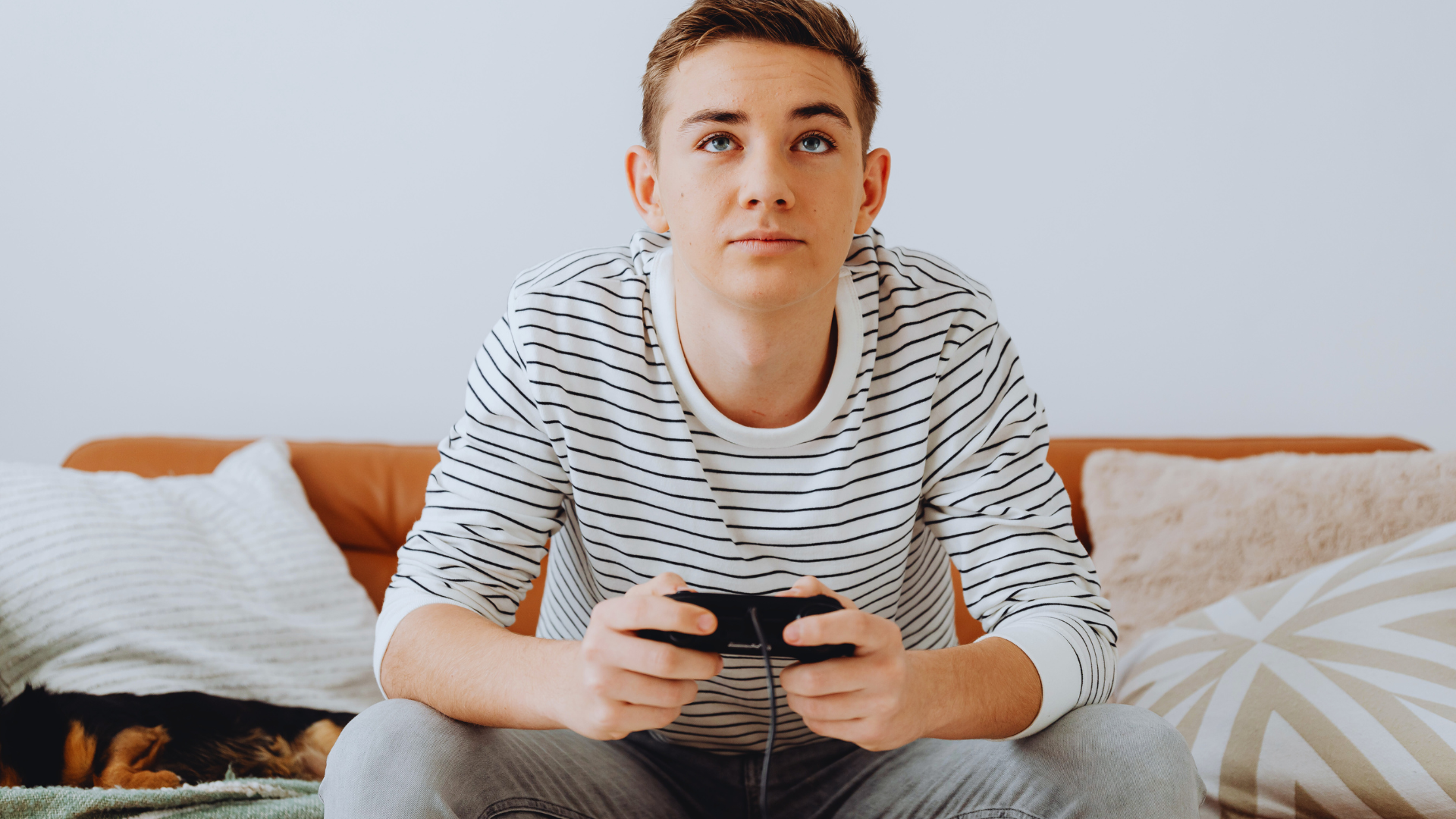
Relaxation through gaming is a simple way to unwind after a busy day. Many single-player games offer immersive, calming experiences that help reduce stress without demanding intense focus or competition. The best single-player games to relax combine soothing gameplay, gentle pacing, and engaging worlds that let you disconnect while enjoying the moment.
These games often feature peaceful environments, easy-to-learn mechanics, and narratives that don’t overwhelm. Whether you prefer exploring vast landscapes, solving light puzzles, or tending to virtual gardens, there is a game designed to fit your need for relaxation.
Finding the right game can make all the difference in how effectively you decompress. Selecting titles that keep frustration low and offer enjoyable progress ensures your time spent gaming supports your overall well-being.
What Makes a Relaxing Single-Player Game?
Relaxing single-player games combine specific gameplay mechanics, soothing audiovisuals, and balanced pacing. These factors work together to maintain a calm and engaging experience. Understanding their role helps identify games that truly support relaxation.
Key Elements of Calming Gameplay
Calming gameplay relies on low-pressure objectives and minimal consequences for failure. Activities like exploration, crafting, or light puzzle-solving help maintain focus without stress. Players often appreciate freedom of choice, allowing them to set their own goals instead of fixed missions.
Repetitive but gentle tasks, such as farming or building, contribute to relaxation by fostering a sense of accomplishment without urgency. Games that avoid timed challenges or competitive elements tend to be more calming. Clear instructions and intuitive controls reduce frustration, keeping the player immersed peacefully.
Visual and Audio Design for Relaxation
Visuals in relaxing games are usually soft, with natural color palettes and smooth animations. Environments designed with open spaces or gentle scenery encourage a sense of calm. Avoiding harsh contrasts or excessive visual clutter helps reduce sensory overload.
Audio plays a critical role through ambient sounds, subtle music, or natural effects like wind and water. Tracks with slow tempos and minimal instrumentation prevent distraction or tension. Sound design often emphasizes continuity and consistency, avoiding sudden loud noises or sharp tones that break immersion.
Pacing and Difficulty Considerations
Relaxing games feature slow, steady pacing that fits a player’s comfort level. They avoid sudden spikes in intensity or rapid shifts in gameplay demands. Difficulty is usually low or adjustable, allowing players to engage without feeling overwhelmed.
Games that let players progress at their own speed promote relaxation. Checkpoints or auto-saving reduce anxiety about losing progress. Avoiding punishing mechanics or complex controls also lowers mental load, making the experience smoother and easier to enjoy.
Top Genres for Relaxing Single Player Experiences
Relaxing single-player games often focus on gentle challenges, immersive worlds, or calming routines. These experiences prioritize low-stress interaction and slow pacing to help players unwind.
Puzzle and Brain Teaser Games
Puzzle and brain teaser games engage the mind without overwhelming pressure. Titles like Monument Valley or The Room series provide clear goals and rewarding problem-solving moments. The mental activity stimulates without causing anxiety.
These games feature mechanics such as pattern recognition, logic puzzles, and spatial reasoning. Progression is paced to encourage thoughtful reflection, often allowing players to take breaks and return easily. Visual and sound design also support a tranquil atmosphere.
The satisfaction of solving problems gradually reinforces focus and relaxation. Unlike fast-paced games, puzzles shift attention gently, making them a favored choice for calming gameplay.
Life Simulation and Farming Games
Life simulation and farming games create soothing daily routines and open-ended goals. Games like Stardew Valley and Animal Crossing offer tasks such as planting crops, fishing, or decorating spaces.
Players often experience predictable cycles—days, seasons, and social interactions—providing comfort through routine. There is minimal threat or failure, with freedom to explore or complete objectives at one’s own pace.
These games typically feature pastoral settings and soft soundtracks, enhancing a laid-back mood. The balance of progress and creativity helps players immerse themselves in a stress-free environment.
Exploration and Walking Simulators
Exploration and walking simulators focus on free movement through detailed, atmospheric worlds. Games like Firewatch and ABZÛ emphasize storytelling and environment over complex gameplay mechanics.
Players absorb scenery, listen to ambient sounds, and discover narrative elements casually. There is no urgency or traditional challenge, which fosters a meditative state.
This genre encourages mindfulness and presence, using visuals and quiet discovery as tools for relaxation. Its open-ended nature allows players to explore at their own speed without disruptive goals.
Best Relaxing Single-Player Games of All Time
Relaxing games often combine soothing visuals, gentle pacing, and engaging but low-pressure gameplay. Titles vary from widely praised classics to lesser-known experiences and indie creations designed specifically to reduce stress and encourage calm focus.
Critically Acclaimed Titles
Several mainstream games have earned praise for their relaxing qualities while maintaining strong gameplay and stories. Stardew Valley offers farming, fishing, and social interaction at your own pace, making it a top choice for relaxation.
Journey provides a visually stunning experience with simple controls and a minimalist story that encourages introspection. Meanwhile, Animal Crossing: New Horizons allows players to design and maintain a peaceful island, with daily tasks that feel rewarding but never urgent.
These games balance engaging content without the stress of time limits or harsh penalties, giving players freedom to unwind on their own terms.
Underrated Hidden Gems
Some relaxing single-player games haven’t received widespread attention but offer deeply calming experiences. A Short Hike invites peaceful exploration through a charming world with light puzzles and friendly encounters.
Eastshade focuses on travel and painting landscapes, promoting creativity rather than competition. Viridi simulates caring for a small potted plant, emphasizing slow growth and mindfulness.
These titles prioritize atmosphere and tranquility, often with simple mechanics that avoid frustration and encourage sustained relaxation over hours.
Indie Games for Stress Relief
Indie developers frequently target relaxation by blending unique art styles, soothing soundtracks, and gentle gameplay loops. Abzû combines underwater exploration with serene visuals and ambient music to create an immersive, calming space.
Flower allows control over a petal’s journey through vibrant environments, focusing on emotional response and fluid movement. Kind Words (lo-fi chill beats to write to) encourages players to write and receive supportive messages within a quiet, friendly community setting.
These indie games often innovate in how they promote calmness, using minimalistic design and slow pacing to help players disconnect from stress.
Latest Relaxing Single Player Releases
Recent releases in relaxing single-player games offer a blend of soothing aesthetics, engaging gameplay, and innovative mechanics. These titles emphasize low-pressure environments and immersive experiences that help players unwind.
Recent Game Highlights
Among the newest entries, Garden Symphony stands out for its calming music and detailed garden simulation. Players cultivate unique plants while enjoying ambient sounds and minimal stress. Quiet Harbor offers a serene fishing experience with realistic water physics and day-night cycles that evoke peaceful coastal vibes.
Starry Trails is another notable release, combining simple exploration with celestial puzzles. Its vibrant visuals and slow pacing encourage contemplation without time constraints. These games prioritize gentle challenges and meditative gameplay loops designed for relaxation.
Emerging Trends in Relaxing Games
A clear trend is the integration of therapeutic elements such as mindfulness prompts and natural soundscapes. Many developers now embed customizable environments, letting players adjust visual and audio settings to suit their mood.
Procedural generation is becoming common, providing unique, non-repetitive experiences that reduce predictability and monotony. Furthermore, hybrid genres mixing minimal platforming or rhythm tasks have gained traction, maintaining player engagement without raising stress levels.
Upcoming Titles to Watch
Echo Meadows, launching later this year, promises an expansive open-world with dynamic weather and tranquil animal interactions. Its narrative focuses on solitude and healing, tailored for slow exploration.
Another anticipated release is Moss & Moonlight, which integrates light crafting elements with atmospheric storytelling. Early previews highlight its minimalistic UI and gentle pacing, ideal for participants seeking calm but meaningful gameplay experiences.
Both titles exemplify the growing emphasis on rich, immersive, but low-impact single-player games crafted for relaxation.
Benefits of Playing Relaxing Single-Player Games
Relaxing single-player games can support emotional well-being, sharpen mental skills, and stimulate original thinking. They offer an accessible way to unwind while gaining measurable benefits to cognition and mood.
Stress Relief and Mental Health
Playing calming single-player games reduces cortisol levels, which lowers stress hormones in the brain. Slow-paced gameplay and gentle visuals help slow heart rate and ease muscle tension. This creates a physiological response similar to meditation or deep breathing exercises.
Games with minimal time pressure or competitive elements reduce anxiety triggers. They provide a safe, controlled environment to escape daily pressures and achieve temporary emotional detachment.
Many players report improved mood and increased feelings of tranquility after sessions. These benefits are linked directly to mental health improvements, such as reduced symptoms of depression and anxiety over time.
Improving Focus and Mindfulness
Relaxing single-player games demand attention to detail and gradual problem-solving, which cultivates sustained focus. Players learn to notice small changes and plan moves deliberately, enhancing cognitive control.
The requirement to stay engaged without rushing parallels mindfulness techniques. It encourages players to remain present and aware of their actions instead of multitasking or succumbing to distractions.
Regular gameplay can strengthen concentration spans and improve the ability to ignore irrelevant stimuli. These gains can transfer to everyday tasks, improving productivity and mental clarity.
Enhancing Creativity
Engaging with imaginative worlds and open-ended gameplay sparks creative thinking. Players experiment with solutions and explore different narrative paths, stimulating divergent thought.
Relaxing games often encourage players to express themselves through customization, design, or storytelling. This free exploration supports problem-solving skills by allowing unconventional approaches.
The low-stakes nature fosters risk-taking without fear of failure. As a result, creativity flourishes within a secure framework that nurtures innovation and self-expression.
Tips for Creating a Calming Gaming Environment
Creating a relaxing gaming space involves picking the right system, enhancing your physical comfort, and reducing interruptions. These elements combine to improve focus and enjoyment without overwhelming the senses.
Choosing the Right Platform
Selecting a platform depends on your preferences and comfort. Consoles like the Nintendo Switch offer portability and simple controls, perfect for easy gaming sessions. PCs provide customization options and superior graphics, but can be more demanding to set up.
Consider the game library available. Platforms with access to many calming or single-player games support longer relaxation periods. Screen size matters too; larger displays can provide immersion but might strain your eyes over time.
Portability can affect where and how you play. Handheld devices or laptops allow changing environments, which can enhance relaxation by reducing monotony.
Essential Accessories for Comfort
Comfort accessories help maintain long gaming sessions without physical strain. Invest in an ergonomic chair that supports your back and promotes good posture.
A good-quality headset with noise cancellation can block background noise and improve sound clarity. Adjustable lighting reduces eye strain, so using a desk lamp with warm tones or a screen filter is beneficial.
Keyboard and controller grips prevent hand fatigue. Position your gaming setup to avoid glare on the screen from windows or overhead lights. Regular breaks are equally important for both comfort and focus.
Managing Notifications and Distractions
Interruptions disrupt relaxation and immersion. Use “Do Not Disturb” modes on your devices to silence calls, messages, and app notifications during playtime.
Close unnecessary apps and browser tabs to minimize mental clutter. If gaming on a PC or console, activate any built-in focus or game modes that limit interruptions.
Physical distractions like clutter or loud noises should also be addressed. Keep your gaming area tidy and use soundproofing or white noise machines if external sounds are an issue.
Setting clear boundaries with others about your gaming time helps prevent unexpected disturbances.
How to Choose the Best Single-Player Game for You
Choosing the right single-player game depends on factors like your interests, current mood, and willingness to explore different games. Understanding what you want from a gaming experience helps narrow down the options efficiently.
Considering Personal Preferences
Start by identifying your favorite game genres, such as puzzle, adventure, or simulation. Reflect on what elements you enjoy most: story depth, gameplay complexity, or art style.
If you prefer slower-paced experiences, games like Stardew Valley or Abzû might suit you. For more immersive stories, titles like Firewatch or Life is Strange could be better.
Take note of your tolerance for difficulty, too. Some players enjoy challenging mechanics, while others seek a more casual experience.
Writing down key preferences clarifies what fits best and prevents frustration from unsuitable choices.
Matching Mood and Game Style
Your current mood should guide your gaming choice. Feeling stressed? Select calming games with relaxing soundtracks and minimal pressure, such as Journey or Flower.
If you want a distraction from daily tasks, engaging, narrative-driven games like The Witness provide mental immersion without overwhelming you. For lifting spirits, cheerful or humorous games work well.
Balance activity level with relaxation goals. High-tension or fast-paced games may trigger anxiety if you want to unwind. Align game style—be it open-world exploration or linear storytelling—with your emotional needs at that time.
Trial and Error Approach
Trying multiple games is often necessary to find the right fit. Use demos, free trials, or gameplay videos to sample before committing.
Keep track of what aspects you liked or disliked in each game. This record helps refine your choices over time.
Be patient; finding a relaxing game can take several attempts because personal tastes evolve or moods shift.
Adapting your selection process based on feedback from your experiences improves satisfaction with future picks.